All posts by Helen

Acupuncture Research Updates: Anxiety in Parkinson’s; IBS-D and Fibromyalgia

Let’s start with a round-up the 3 studies that hit the top spots the day this post was written, in a Google Scholar search for “acupuncture research”:

New Research:

• Effectiveness of acupuncture for anxiety among patients with Parkinson disease: a randomized clinical trial. (Fan et al, 2022)
• Qi, L.Y., Yang, J.W., Yan, S.Y., Tu, J.F., She, Y.F., Li, Y., Chi, L.L., Wu, B.Q. and Liu, C.Z., 2022. Acupuncture for the Treatment of Diarrhea-Predominant Irritable Bowel Syndrome: A Pilot Randomized Clinical Trial. JAMA Network Open5(12), pp.e2248817-e2248817
• Yu, G., Chen, L., Huang, H., Nie, B. and Gu, J., 2022. Research Trends of Acupuncture Therapy on Fibromyalgia from 2000 to 2021: A Bibliometric Analysis. Journal of Pain Research, pp.3941-3958

About the research: It is worth noting that in research, randomised controlled studies (RCT) which are published in a peer-reviewed and reputable journal, are the most reliable in terms of quality of evidence as they compare an intervention with a control group and and these are matched and blinded to which intervention they receive. Next up, a systematic review or meta analysis of numerous such studies is the best way of seeing the overall picture of the state of the evidence by aggregating a number of RCTs together in a scientific manner. The n= figure tells you how many people were participants in the study, and a larger study is able to more powerfully predict whether an intervention is effective, as the statistics are more robust; smaller studies can be pilots, or give ideas of trends to be explored in later ones.
Effectiveness of Acupuncture for Anxiety Among Patients With Parkinson Disease – A Randomized Clinical Trial

Approximately a third of Parkinson’s patients experiences anxiety symptoms, which negatively affects upon their quality of life. Fan et al (2022) examined 64 Parkinson’s patients through a double-blind, randomised controlled trial. They compared real acupuncture (RA) with sham (SA) as a control group. Scores on anxiety measures (HAM-A; UPDRS; PDQ-39), Parkinson’s disease rating scale, and measures of blood levels of cortisol (stress hormone) and adrenocorticotropic hormone (related to cortisol release) were evaluated before and after the treatment course, and repeated 8 weeks after the end of the treatment course.

Results: Both groups showed clinical improvements in anxiety by the end of the treatment, but only the RA group maintained an improvement after 8 weeks. This suggests that sham acupuncture may produce short-term effects based on expectation, while real acupuncture has a longer-lasting effect.

The researchers observed that the RA group had lower ATCH levels than the SA group. potentially confirming that acupuncture can reduce ACTH levels in the blood and alleviate stress hormone levels and anxiety: “The serum ACTH levels in the RA group were lower than in the SA group. It may be preliminarily confirmed that acupuncture can reduce the level of ACTH in serum, a finding that is in line with previous results, where the authors have proved that acupuncture can alleviate increased stress hormone levels and mitigate anxiety“. The previous finding they mention to Seo et al, (2021), another recent study using an animal model to look at the effects acupuncture has on specific neurotransmitters and hormones in a stress model.

Thoughts: The trend in recent research is to not only compare patient or practitioner-rated outcomes between groups but also to include objective measures, such as blood samples, biomedical measures, and brain scans, linking the subjective and objective aspects of the patient’s experience and the researcher’s observations. This type of research is valuable and provides a more comprehensive understanding. We look forward to more of this type of research. The present study has some limitations due to its small size, and the researchers recommend a larger, multi centre study for a broader perspective.

Acupuncture for the Treatment of Diarrhea-Predominant Irritable Bowel Syndrome: A Pilot Randomized Clinical Trial

Qi et al. (2022) aimed to examine the biological mechanism behind acupuncture’s potential benefit for IBS patients, which they hypothesised to be by reducing “visceral hypersensitivity” and regulating the gut-brain axis. The study was a pilot, multi-centre randomized controlled trial (RCT) involving 90 participants across 4 Chinese hospitals, who were divided into three groups: specific acupuncture (using real points), non-specific acupuncture, and sham acupuncture. All participants received 12 acupuncture sessions over 4 weeks.

The researchers compared abdominal pain scores and stool type to evaluate the results.

Findings: Both the specific and non-specific acupuncture groups demonstrated significant improvement in IBS-D symptoms from the baseline. There was a 20% difference between the specific acupuncture group and the sham group. The researchers suggested conducting a larger, multi-centre trial for further investigation.

Thoughts: The use of non-specific treatment in this study is noteworthy as it raises questions about the appropriate comparison to active treatment. Although using real points even out of context still has a noticeable effect, it is important to understand which specific points were considered non-specific and yet still showed an impact within the acupuncture model, as each point has numerous connections and influences.

This information could help differentiate the placebo effect, which is present to some extent in all types of treatments, including Western and drug treatments. The distinction between placebo and genuine effects is usually more apparent after the end of treatment, as evidenced by a follow-up review a few weeks later. As seen in this study, the real acupuncture group using specific points had a more lasting outcome.

A large number of trials have looked at IBS and acupuncture in the past, with promising results. Shaftesbury Clinic’s website has a page about this specifically

The outcomes of a number of large, systematic reviews is expected very soon, the protocols for which came out in 2020/2021 (Li et al, 2021, 2021b; Guo et al, 2020), which will to add to the research and be of interest.

Research Trends of Acupuncture Therapy on Fibromyalgia from 2000 to 2021: A Bibliometric Analysis

Yi and co-authors (2022) conducted a review of the growing trend of research studies on fibromyalgia. They analyzed a total of 868 studies published between 2000 and 2021 and found an increasing trend in the number of studies conducted. The United States was identified as the most active country in terms of conducting research studies on fibromyalgia, which was unexpected, as one might expect a high number of studies to originate from China.

The studies reviewed by the researchers covered a wide range of topics, including the efficacy of acupuncture and electroacupuncture, long-term efficacy, and possible mechanisms of action through animal models. The Journal of Pain was the top publisher of these studies, with JAMA and the Annals of Internal Medicine close behind.

It’s useful to examine the scope of existing literature and identify areas where further research is necessary when considering the current state of the research field. This helps to highlight any gaps in the current knowledge and determine what needs to be done to address these gaps and build upon what has already been accomplished.

In terms Fibromyalgia, and the published literature on it; there are numerous RCTs and at least 3 systematic reviews, Shaftesbury Clinic’s website has an informational article on this.

What is on the horizon?

To stay informed about new research in acupuncture, a good strategy is to monitor Google Scholar using the search term “acupuncture protocol.”

Here are the top 3 upcoming studies to look out for in the near future:

The efficacy and safety of acupuncture for depression-related insomnia: protocol for a systematic review and meta-analysis (Hu et al, 2022). In the Journal of Pain Research, the authors aim to explore the correlation between depression and insomnia, and the potential role of acupuncture. They will conduct a comprehensive analysis of the efficacy and safety of acupuncture for depression-related insomnia by synthesizing data from numerous RCTs. The analysis will be based on a search of nine databases using the Cochrane database. With prior evidence supporting acupuncture in the treatment of depression, including a large multi-centre UK study (MacPherson et al, 2017), this area holds great promise for future research.

Efficacy and safety of acupuncture in the treatment of foot drop in post-stroke: A protocol for systematic review and meta-analysis (Gao et al, 2022). are exploring the topic of foot-drop, a widespread issue resulting from strokes and causing the risk of falls and injuries. The study aims to fill the gap of lack of systematic review in this area by utilizing the Cochrane Register of Controlled Trials along with 7 other databases to analyze the existing evidence.

Efficacy of acupuncture in subpopulations with functional constipation: A protocol for a systematic review and individual patient data meta-analysis (Chen et al, 2022). The researchers aim to consolidate the data from various RCTs on acupuncture’s application in a specific area of interest, as there has been a substantial amount of literature in this promising field.

It’s important to keep in mind that synthesizing data in this manner serves not only to determine the effectiveness of acupuncture, but also to uncover insights about which acupuncture points, techniques, and approaches may be most effective. This approach also allows us to identify any gaps in our understanding that future research can explore.

Important to know: Chronic health conditions should be addressed under direct medical supervision of your GP or consultant, and acupuncture would be an adjunct or complement to usual care – we advise that you let you doctor know when you use this approach.

References:

Chen, C., Liu, J., Liu, B., Cao, X., Liu, Z., Zhao, T., Lv, X., Guo, S., Li, Y., He, L. and Ai, Y., 2022. Efficacy of acupuncture in subpopulations with functional constipation: A protocol for a systematic review and individual patient data meta-analysis. PloS one17(4), p.e0266075.

Fan, J.Q., Lu, W.J., Tan, W.Q., Liu, X., Wang, Y.T., Wang, N.B. and Zhuang, L.X., 2022. Effectiveness of acupuncture for anxiety among patients with Parkinson disease: a randomized clinical trial. JAMA Network Open5(9), pp.e2232133-e2232133.

Gao, Y., Gang, X., Yuan, Y., Yin, K. and Gong, X., 2022. Efficacy and safety of acupuncture in the treatment of foot drop in post-stroke: A protocol for systematic review and meta-analysis. Medicine101(40), p.e30994.

Guo, J., Xing, X., Wu, J., Zhang, H., Yun, Y., Qin, Z. and He, Q., 2020. Acupuncture for Adults with Diarrhea-Predominant Irritable Bowel Syndrome or Functional Diarrhea: A Systematic Review and Meta-Analysis. Neural plasticity2020.

Hu, H., Li, Z., Cheng, Y. and Gao, H., 2022. The efficacy and safety of acupuncture for depression-related insomnia: protocol for a systematic review and meta-analysis. Journal of Pain Research, pp.1939-1947.

Li, H., Chen, Y., Hu, Z., Jiang, J., Ye, J., Zhou, Y., Yu, Z. and Tang, H., 2021a. Effectiveness of acupuncture for anxiety and depression in irritable bowel syndrome: A protocol for systematic review and meta-analysis. Medicine100(8).

Li, H., Chen, Y., Hu, Z., Jiang, J., Ye, J., Zhou, Y., Yu, Z. and Tang, H., 2021b. Effectiveness of acupuncture for anxiety and depression in irritable bowel syndrome: A protocol for systematic review and meta-analysis. Medicine100(8).

MacPherson, Hugh, Andrew Vickers, Martin Bland, David Torgerson, Mark Corbett, Eldon Spackman, Pedro Saramago et al. “Acupuncture, Counselling or Usual Care for Depression (ACUDep): a randomised controlled trial.” In Acupuncture for chronic pain and depression in primary care: a programme of research. NIHR Journals Library, 2017.

Qi, L.Y., Yang, J.W., Yan, S.Y., Tu, J.F., She, Y.F., Li, Y., Chi, L.L., Wu, B.Q. and Liu, C.Z., 2022. Acupuncture for the Treatment of Diarrhea-Predominant Irritable Bowel Syndrome: A Pilot Randomized Clinical Trial. JAMA Network Open5(12), pp.e2248817-e2248817.

Seo, S.Y., Bang, S.K., Kang, S.Y., Cho, S.J., Choi, K.H. and Ryu, Y.H., 2021. Acupuncture Alleviates Anxiety and 22-kHz Ultrasonic Vocalizations in Rats Subjected to Repeated Alcohol Administration by Modulating the Brain-Derived Neurotrophic Factor/Corticotropin-Releasing Hormone Signaling Pathway. International Journal of Molecular Sciences22(8), p.4037

Yu, G., Chen, L., Huang, H., Nie, B. and Gu, J., 2022. Research Trends of Acupuncture Therapy on Fibromyalgia from 2000 to 2021: A Bibliometric Analysis. Journal of Pain Research, pp.3941-3958.

Helen
0 comment
Darren Haines

An interview with Darren Haines, Acupuncturist at Shaftesbury Clinic

Acupuncturist Darren Haines joined the team at Shaftesbury Clinic in March 2022.   Helen caught up with him to find out more about his journey into acupuncture, what he does in his everyday practise, and what inspires him in his work.

Fact File:

  • ☼ Darren qualified in from The Acupuncture Academy in Leamington Spa, with a Licentiate in Acupuncture (Lic.Ac.) after 3 years’ degree-level training
  • ☼ As a member of the British Acupuncture Council (BAcC), Darren adheres to the BAcC Codes of Safe Practice and Professional Conduct
  • ☼  Darren has full public liability insurance and professional indemnity cover, and is licensed by Bedford Borough Council to work as an acupuncturist at Shaftesbury Clinic
  • ☼  BAcC members are also registered with the Professional Standards Authority (PSA) a government body which regulates the regulatory and registration bodies of health and social care providers and is accountable to parliament

Helen:  What was your work before acupuncture?

Darren:  I worked in PR for over 20 years, with leading High Street retailers and Sports brands, at a high level, but over the years I found that the sector had changed, and it was different to the industry I started out in at the beginning of my career.  At that stage, I began to feel like I wanted to make a move into a more fulfilling role, in a career that could be more rewarding. 

At around this time, I had an experience where acupuncture made a real difference to the outcome of a life-changing event; seeing the difference for a family member from treatment with Philip Rose-Neil, here at Shaftesbury Clinic proved to be a strong inspiration.  I then also came to see Phil myself as a patient, and speaking with him about the theories and mechanisms behind acupuncture, my interest in acupuncture as a career was piqued, and I looked into training in this field. 

Helen:  What attracted you about acupuncture as a career?

Darren:  It was seeing the difference acupuncture could make in people’s lives; I realised that I wanted to be able to do this for others.  I was also attracted by this being a holistic approach to health, and that as an acupuncturist, I would be looking to find the root cause of the patient’s presenting complaint, and to make a difference to their long-term health, rather than just a “sticking plaster” approach of short-term, or localised symptomatic benefit.

Now that I am working in this field, it is enjoyable work, and is rewarding to be able to help people back to better heath.  It can give you a buzz when you are part of seeing those changes and outcomes for patients.

Helen:  What does training in acupuncture entail?

Darren:  It is a three-year, degree-level course, and in order to be a member of the British Acupuncture Council, it must be BAAB (British Acupuncture Accreditation Board) accredited and entail at least 3,600 hours’ training.  My professional Licentiate training at The Acupuncture Academy in Leamington Spa (BAAB accredited) was centred on the traditional Five Element model of Chinese medicine theory, together with anatomy, physiology, with particular emphasis on surface anatomy for point location.

There were modules on Western Medical view of the body’s organs and systems so that we can spot red flag symptoms, and refer and treat appropriately.  From a practical perspective, there was needle technique, point selection, and practical work in clinic.  At least 400 hours are in the clinical setting, including treatment observations; of which 200 hours’ direct clinical work with our own patients.     

I treated my pre-qualification supervised patients and my clinical assessments here at the clinic, under the mentorship and supervision of Philip Rose-Neil; having carried out my observations in his clinic.  I was good to have such an experienced mentor as a sounding board, and to continue to be part of the same team [Phil has been at Shaftesbury Clinic over 11 years].

Helen:  What is a typical day like for you in clinic?

Darren:  As an acupuncturist you train as a generalist, which means I could be seeing patients from for many different presenting reasons.  Patients very often access acupuncture for painful conditions such as back pain or migraine, but it can also be for chronic conditions such as eczema, sinusitis, and even seasonally for hay fever.  Acupuncture is also known to support general wellbeing, relaxation and balance, and for these reasons people will also access it for stress, anxiety and related issues in their busy lives.

Needles are used to stimulate acupuncture points, which are chosen in relation to the presenting issues for each patient.  I may also use Moxibustion (an acupuncture technique used to gently heat acupoints), Cupping, or Gua Sha, which are all acupuncture techniques used for specific situations, such as muscular and stagnation issues.  The treatment plan is tailored to each patient.

As an acupuncturist, I see people from all walks of life, and approaches each patient as an individual, considering all aspects of their health and context within the treatment model, so no two days are the same. 

Helen:  Do you have any special interests within acupuncture practise, or patient groups that you work with specifically?

Darren:  Having recently qualified, I have some areas where I have professional interests where I am planning to attend further training courses.  Of these, I have a continued interest in sport from my previous work in PR, and am attending a Musculoskeletal acupuncture training course in November, which will give in-depth experience in MSK issues and their treatment, including sports injuries.  I have an interest in acupuncture for fertility and pregnancy, and am looking to train further in this in the Spring, alongside Facial Acupuncture later next year.

Helen:  What are your interests outside of acupuncture?

Darren: I really like watching sport, particularly to watch it live; this was a part of my previous work that I enjoyed a great deal.  I love to go cycling, which is something I’ve been able to get back into recently, after a hiatus when I spent a lot of time of travelling to college (Leamington Spa), studying at home, and getting my clinical hours in.  I will cycle anywhere, the roads in Bedfordshire a pretty good for it, and it is quite helpful that it’s not too hilly!

At home, I love to cook, I will make all sorts of different things, and again after qualifying from college, it is great to be able to find the time to do this again.

Having previously lived in London for work, and moved this way for quality of life, I do like to be able to go back into London for leisure.

Helen:  How can prospective patient find out more about acupuncture, and book in with you?

Darren:  The clinic offers a free 15 minute call back from one of us acupuncturists, to help a you find out about acupuncture, and whether it could be suitable and helpful for your needs.  This gives a realistic appraisal of what we can offer, so you can decide whether this is the approach for you.  I’m available for bookings on Wednesday evenings from 5:30pm to 8pm, and Fridays 9:30am to 6pm.  You can call the secretaries on 01234 511522, or book online via our website. 

My colleague Louise England works on Tuesdays; Gillie Salter on Mondays; and Philip Rose-Neil Tuesdays, Thursdays and Saturdays.  We are always really happy to chat about what we do

Helen:  Thank you for talking to me about your work today, Darren!
Helen
0 comment

Mechanisms of action – Acupuncture and neurotransmitters in the body

We know from research that acupuncture affects many bodily systems, so here we shall take a look at the nervous system and its chemical messengers: neurotransmitters.

In simple terms, a neurotransmitter is a chemical substance released at the end of a nerve fibre, which diffuses across a synapse (junction between nerves), and transmits the signal along to a nerve fibre or muscle fibre, for example.

This process is involved in the transmission of pain signals in the body, and is also one of the well-understood mechanisms of acupuncture pain relief. The role of acupuncture in modulating neurotransmitters involved in pain has been well discussed, as well as researched in great detail.

Specific neurotransmitters, and acupuncture’s effect on them:

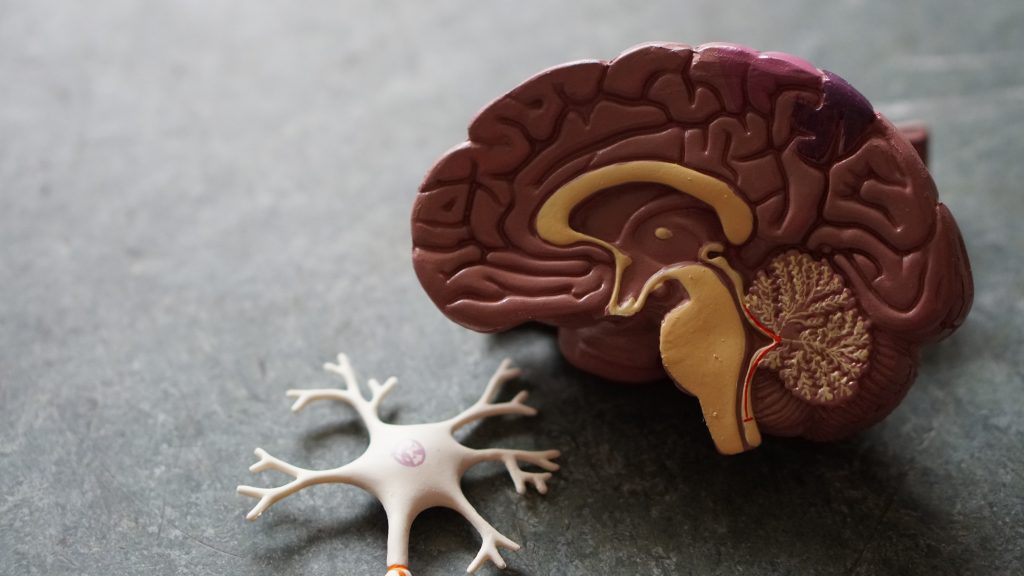
Model of a brain and nerve cell

Zhang et al (2022) give the research on those in turn; opioid peptides; γ-Aminobutyric acid (GABA); Norepinephrine; 5-Hydroxytryptamine (5-HT) aka serotonin; and glutamate.  

The researchers look in detail about what acupuncture research has shown in terms of mechanisms of action for each neurotransmitter, and to summarise:

  • Endogenous opioid peptides (a type of neurotransmitter) are produced in the body as a direct result of acupuncture treatment. These have been shown in numerous studies to have a positive effect on analgesia (pain relief).  By name, these are enkephalins, endomorphins, dynorphins, and nociceptin, and they are the body’s own natural painkilling substances
  • γ-Aminobutyric acid (GABA); this is an inhibitory neurotransmitter in the central nervous system.  It has a painkilling effect. It has been demonstrated through research studies that acupuncture can upregulate GABA expression; another part of how acupuncture helps with pain
  • Norepinephrine (noradrenalin in the UK); another neurotransmitter, the release of which is enhanced by acupuncture. Norepinephrine is also capable of inhibiting pain in the body
  • 5-Hydroxytryptamine (5-HT), or serotonin; is a neurotransmitter that is involved in analgesia (pain relief).  5-HT is secreted in the brain during acupuncture administration, making it another known mechanism of action for acupuncture analgesia
  • Glutamate; a central nervous system neurotransmitter, is involved in the transmission of pain signals in the spinal cord.  Acupuncture downregulates glutamate, as part of how it provides pain relief

Overall a combination of demonstratable mechanisms is clearly at play, and can be seen and measured to be the cause of why acupuncture can help pain. 

How were the studies done?

Research models

Studies on mechanisms of acupuncture analgesia are based on animal models, where levels of neurotransmitters and their effects are measured objectively, removing the possibility of placebo effect as a cause of pain relief. 

Human trials are also used where this is measurable in an ethical and objective way, through fMRI (brain scans showing which areas light up), and blood levels of neurotransmitters as well as pain ratings.

A complicated picture

There are other analgesic mechanisms of acupuncture besides those above, and it is hard to unpick the overall contributions of each, and it may be the case that it depends upon the region targeted, quality of pain and other factors.  For this reason, the acupuncturist’s experience and overall assessment of the individual on the day of treatment contribute to the overall outcome.

Reference:

Zhang, M., Shi, L., Deng, S., Sang, B., Chen, J., Zhuo, B., Qin, C., Lyu, Y., Liu, C., Zhang, J. and Meng, Z., 2022. Effective oriental magic for analgesia: acupuncture. Evidence-Based Complementary and Alternative Medicine, 2022. https://www.hindawi.com/journals/ecam/2022/1451342/

Bibliography:

Li, S.K., Liao, W.D., Zhao, J. and Cao, X.W., 2020. Effects of acupuncture on plasma endogenous opioid peptides in patients with stroke-associated headache in convalescence. Zhen ci yan jiu= Acupuncture Research45(12), pp.995-999.

Lin, J.G., Kotha, P. and Chen, Y.H., 2022. Understandings of acupuncture application and mechanisms. American Journal of Translational Research14(3), p.1469.

Petti, F.., Bangrazi, A., Liguori, A., Reale, G. and Ippoliti, F., 1998. Effects of acupuncture on immune response related to opioid-like peptides. Journal of Traditional Chinese Medicine 18(1), pp.55-63.

Trento, M.M.S., Moré, A.O.O., Duarte, E.C.W. and Martins, D.F., 2021. Peripheral receptors and neuromediators involved in the antihyperalgesic effects of acupuncture: a state-of-the-art review. Pflügers Archiv-European Journal of Physiology473(4), pp.573-593.

Wang, W.S., Xi, H.Y., Fu, G., Fan, X.Z. and Guo, M., 2022. Study on the Mechanism of Electroacupuncture in the Treatment of Neuropathic Pain Based on Vesicular Glutamate Transporter 2/Toll Like Receptor 4 Signal Pathway. Indian Journal of Pharmaceutical Sciences, pp.31-37.

Wu, W.Z., Zheng, S.Y., Liu, C.Y., Qin, S., Wang, X.Q., Hu, J.L., Wan, Q.Y., Zhao, Y.N. and Xi, H.Q., 2021. Effect of Tongdu Tiaoshen acupuncture on serum GABA and CORT levels in patients with chronic insomnia. Zhongguo Zhen jiu= Chinese Acupuncture & Moxibustion41(7), pp.721-724.

Helen
0 comment

Electro Acupuncture

Electro acupuncture (EA) is an adjunct of acupuncture practise where a small electrical current is passed between pairs of acupuncture needles.  There is usually a slight sensation of buzzing or vibration associated with the electrical pulses, but the procedure is relatively pain free.

EA is a safe and effective form of therapy, which studies and systematic reviews, have shown may benefit patients for the symptoms of a wide range of conditions, in particular:

  • Nausea prevention: post chemotherapy (Zhang et al, 2014); post surgery (Ho et al, 1990); in hyperemesis gravidarum (severe “morning sickness” of pregnancy) (Ezzo et al, 2006);
  • Pain: symptomatic knee pain in rheumatoid arthritis (Casimiro et al 2005); post-operative pain and other recovery benefits post-operatively (Hayhoe, 2010, Lin et al, 2002); labour pain (Qu et al, 2007); low back pain; fibromyalgia (Delize et al. 1992); nerve pain, inflammatory pain and organ pain (Zhang et al, 2014)
  • Dental pain (Tavares et al 2007; Sim et al 2002)
  • Urinary retention after spinal injury (Liu et al 2011); urinary stress incontinence (Zhishun et al, 2017)
  • Tension-type headache (Xue et al, 2004); reducing the frequency of migraine (Xu et al, 2018)
  • Tennis elbow (Yeung et al, 2003); calcific tendonitis (Papadopoulos et al, 2019); achilles tendonitis (Yu et al, 2015)

The acupuncturist may use EA alongside other acupuncture techniques where it is indicated.

References:

Casimiro, L., Barnsley, L., Brosseau, L., Milne, S., Welch, V., Tugwell, P. and Wells, G.A., 2005. Acupuncture and electroacupuncture for the treatment of rheumatoid arthritis. Cochrane Database of Systematic Reviews, (4).

Deluze, C., Bosia, L., Zirbs, A., Chantraine, A. and Vischer, T.L., 1992. Electroacupuncture in fibromyalgia: results of a controlled trial. British Medical Journal305(6864), pp.1249-1252.

Ezzo, J., Streitberger, K. and Schneider, A., 2006. Cochrane systematic reviews examine P6 acupuncture-point stimulation for nausea and vomiting. Journal of Alternative & Complementary Medicine12(5), pp.489-495.

Hayhoe, S., 2010. Postoperative benefits with electroacupuncture. Acupuncture in Medicine28(2), p.64.

Ho, R.T., Jawan, B., Fung, S.T., Cheung, H.K. and Lee, J.H., 1990. Electro‐acupuncture and postoperative emesis. Anaesthesia45(4), pp.327-329.

Lin, J.G., Lo, M.W., Wen, Y.R., Hsieh, C.L., Tsai, S.K. and Sun, W.Z., 2002. The effect of high and low frequency electroacupuncture in pain after lower abdominal surgery. Pain99(3), pp.509-514.

Liu, Z., Liu, Y., Xu, H., He, L., Chen, Y., Fu, L., Li, N., Lu, Y., Su, T., Sun, J. and Wang, J., 2017. Effect of electroacupuncture on urinary leakage among women with stress urinary incontinence: a randomized clinical trial. Jama317(24), pp.2493-2501.

Liu, Z., Zhou, K., Wang, Y. and Pan, Y., 2011. Electroacupuncture improves voiding function in patients with neurogenic urinary retention secondary to cauda equina injury: results from a prospective observational study. Acupuncture in Medicine29(3), pp.188-192.

Papadopoulos, D.V., Koulouvaris, P., Aggelidakis, G., Tsantes, A.G., Mavrodontidis, A. and Papadopoulos, G., 2019. Electroacupuncture for the treatment of supraspinatus calcific tendonitis. Journal of clinical orthopaedics and trauma10(3), pp.624-628.

Qu, F. and Zhou, J., 2007. Electro-acupuncture in relieving labor pain. Evidence-Based Complementary and Alternative Medicine4.

Sim, C.K., Xu, P.C., Pua, H.L., Zhang, G. and Lee, T.L., 2002. Effects of electroacupuncture on intraoperative and postoperative analgesic requirement. Acupuncture in Medicine20(2-3), pp.56-65.

Tavares, M.G., Machado, A.P., Motta, B.G., Borsatto, M.C., Rosa, A.L. and Xavier, S.P., 2007. Electro-acupuncture efficacy on pain control after mandibular third molar surgery. Brazilian Dental Journal18(2), pp.158-162.

Xu, J., Zhang, F.Q., Pei, J. and Ji, J., 2018. Acupuncture for migraine without aura: a systematic review and meta-analysis. Journal of Integrative Medicine16(5), pp.312-321.

Xue, C.C., MApplSc, L.D., Polus, B., English, R.A., Zheng, Z. and Costa, C.D., 2004. Distal point electroacupuncture for tension-type headache (n= 40). Acupuncture in Medicine22(2), pp.103-115.)

Yeung, C.K., Leung, M.C. and Chow, D.H., 2003. The use of electro-acupuncture in conjunction with exercise for the treatment of chronic low-back pain. The Journal of Alternative & Complementary Medicine, 9(4), pp.479-490.

YU, H.L. and XU, L.L., 2015. Therapeutic effect of electro-acupuncture in the treatment of Achilles tendonitis. World Journal of Acupuncture-Moxibustion25(2), pp.17-22.

Zhang, R, Lao, L; Ren, K; Berman, BM (2014) Mechanisms of Acupuncture–Electroacupuncture on Persistent Pain Anesthesiology 2014; 120:482-503

Zhang, X., Jin, H.F., Fan, Y.H., Lu, B., Meng, L.N. and Chen, J.D., 2014. Effects and mechanisms of transcutaneous electroacupuncture on chemotherapy-induced nausea and vomiting. Evidence-Based Complementary and Alternative Medicine2014.

Helen
0 comment
Robot and Human Hands

Acupuncture and AI?

New Research Paper: Here is an interesting concept for future development in acupuncture: “Artificial intelligence-directed acupuncture: a review”, in the Journal of Chinese Medicine.

How might this work? Wang (2022) and colleagues say that using computing, our ability to quantify, objectify and standardise acupuncture can be increased. Not only this, but using AI perhaps the research and outcomes from published data can be used to identify the best approaches, and even predict treatment outcomes.

It’s worth keeping in mind that from the acupuncturist’s perspective (an usually that of the patient, too), a large part of the appeal of acupuncture as a complementary medicine is that the patient is considered as an individual, and that even for the same condition, the treatment plan can vary from patient to patient as it is tailored to their need, therefore full standardisation is perhaps not the goal here, but more of a case of defining approaches and benefitting from looking at the data in novel ways.

The researchers do say that “The use of AI-based data mining has led to the discovery of hidden knowledge on acupuncture point selection and prescription.” As with any field where there is complexity, it is good to have alternative approaches and paths to choose from, and as practitioners, evidence-led there is always a combination of training and experience, alongside the updates and research insights that come through from the increasing research body.

At the moment the research is focussing on AI for common conditions that have large bodies of data and research for them, e.g. Osteoarthritis of the knee and dysmenorhhoea, and looking at particular pairs and combinations of points that arise in numerous studies.

Other uses for AI to analyse the research and effectiveness have been in the manipulation of needles, which has very many possible forms, including electroacupuncture as an adjunct.

An interesting area, which promises to deliver much insight in the coming years.

If you’d like to look into it more, a few other resources are below, including recent papers from Wang et al (2021), who predict more unified guidelines for specific TCM syndromes to come forth from AI-assisted TCM therapies in the future. Feng et al (2021) also weigh in on the ability to over come subjectivity by using AI; and Alice et al (2021) look into its application to pulse diagnosis in TCM.

References:

Feng, C., Shao, Y., Wang, B., Qu, Y., Wang, Q., Li, Y. and Yang, T., 2021. Development and application of artificial intelligence in auxiliary tcm diagnosis. Evidence-based Complementary and Alternative Medicine2021.

Feng, C., Shao, Y., Wang, B., Qu, Y., Wang, Q., Li, Y. and Yang, T., 2021. Development and application of artificial intelligence in auxiliary tcm diagnosis. Evidence-based Complementary and Alternative Medicine2021.

Wang, Y., Shi, X., Efferth, T. and Shang, D., 2022. Artificial intelligence-directed acupuncture: a review. Chinese Medicine, 17(1), pp.1-10.

Wang, Y., Shi, X., Li, L., Efferth, T. and Shang, D., 2021. The impact of artificial intelligence on traditional Chinese medicine. The American Journal of Chinese Medicine49(06), pp.1297-1314.

Helen
0 comment
Question Marks

Will acupuncture help me?

Many people ask us as acupuncturists: “What is acupuncture for?  Will it help me?”

There is not a specific list of conditions acupuncture can “treat”, but it can be used safely by the vast majority of patient groups, including during pregnancy, as there are very few contraindications. 

Our Condition Resources Pages provide links to evidence-based factsheets, based on the most commonly requested reasons for attending acupuncture.

A huge number of clinical guidelines now recommend/suggest acupuncture as an approach; most commonly for musculoskeletal, connective tissue, neurological, obstetrics & gynaecology, women’s health, oncology and gastrointestinal issues. (Zhang & al 2022a)

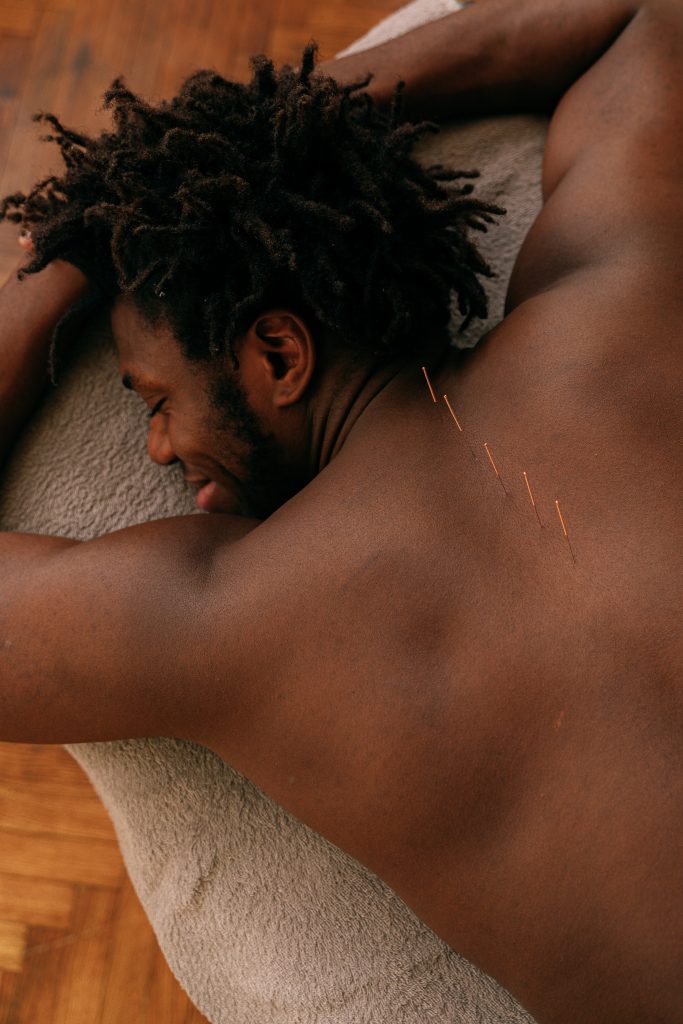
Acupuncture needles in a patient’s back

It is good to read around the research into the symptom or condition you’re looking to address, the factsheets, links and references here on our condition pages are a good place to start, enabling you to find and appraise the original research papers.

Pain

Acupuncture is well-known for use in pain, and is recommended in many countries’ national health services. The NHS body in charge of which treatments should be used in particular conditions recommends acupuncture for chronic pain:  The NICE Scenario Management guidelines (2021) for chronic pain state: “consider a course of acupuncture or dry needling, within a traditional Chinese or Western acupuncture system”. In America, per the US government’s National Institutes of Health: “Clinical practice guidelines issued by the American Pain Society and the American College of Physicians in 2007 recommend acupuncture as one of several nondrug approaches physicians should consider when patients with chronic low-back pain do not respond to self-care (practices that people can do by themselves, such as remaining active, applying heat, and taking pain-relieving medications).”

Popularity with the public, and uptake by insurers

Acupuncture is popular and well established. Per the WHO (2019) global report, acupuncture is widely used across the world, and in the UK, clinicians administer over 4 million acupuncture treatments each year (Zhang et al, 2022b).

Per He et al (2022) in the BMJ “Acupuncture has been incorporated into the health insurance policies of several countries. Studies have indicated that there have been many recommendations for the use of acupuncture in many clinical practice guidelines published worldwide. Both the number of guidelines recommending acupuncture and the number of acupuncture randomised controlled trials (RCTs) are increasing”

Find Out More

Shaftesbury Clinic provides a free 15 minute consultation (in person, videocall or phone call – all need to be pre-booked). This will enable you to weigh up the research, and aid in your decision about acupuncture as a possible complement to medical treatment

The British Acupuncture Council also has a number of resources for you to take a look at, including a 30-minute documentary about acupuncture

Important to know: Chronic health conditions should be addressed under direct medical supervision of your GP or consultant, and acupuncture would be an adjunct complement to usual care – it’s advisable to let your doctor know when you use this approach.

References:

He, Y., Li, J., Li, Y., Jin, R., Wen, Q., Li, N. and Zhang, Y., 2022. Strengthening the quality of clinical trials of acupuncture: a guideline protocol. BMJ open, 12(1), p.e053312. LINK: https://bmjopen.bmj.com/content/12/1/e053312 )

NICE (2021) Chronic pain: Scenario: Management Last revised in April 2021

NIH (2022) https://www.nccih.nih.gov/health/acupuncture-in-depth.

Zhang, Y.Q., Lu, L., Xu, N., Tang, X., Shi, X., Carrasco-Labra, A., Schünemann, H., Chen, Y., Xia, J., Chen, G. and Liu, J., 2022a. Increasing the usefulness of acupuncture guideline recommendations. bmj376. https://bmj.com/content/376/bmj-2022-070533.full

Zhang, Y.Q., Jing, X. and Guyatt, G., 2022b. Improving acupuncture research: progress, guidance, and future directions. BMJ, 376. https://www.bmj.com/content/376/bmj.o487

Helen
0 comment

New Research : Acupuncture Tapping in Psychotherapy

A new research article looks at acupuncture points and psychotherapy in practise. The interesting new article in the Journal of Psychotherapy Integration, discusses the use of acupuncture points within psychotherapy (the reference, and links to original article are below).

A holistic approach is increasingly being understood to include more that one modality to increase how effective an approach can be. This is well known for crossing the borders between, say mainstream medicine in areas like pain, but possible less so in the sphere of mental health, despite the fat that acupuncture and TCM (Traditional Chinese Medicine) have long included protocols for health on all levels of mind and body.

Traditional acupuncture uses needle stimulation on a network of specific points, tailored to the patient and presenting condition. In addition to, or instead of needles, acupuncturists can also use heat or acupressure (needle-less stimulation of points).

Tapping of a specific set of points in a protocol, is a fairly ew approach to self-care when experiencing anxiety or pain symptoms, for example. This can be done when the patient has been trained on how to do this, and increasingly this has been adopted in other settings. Today, other techniques incorporate some of the benefits of acupuncture alongside talking therapies, and there is a decent and growing research body here.

Per this research article Feinstein (2022 – ref and link below) the research and use of this are coming to the fore; there are “28 systematic reviews and meta-analyses, 125 clinical trials, 24 case studies, 26 reports describing systematic observations, 17 mixed-method clinical trials that included a tapping component, and 88 articles addressing clinical procedures, theory, mechanisms, or related issues” (Feinstein, 2022).

Sometimes called Emotional Freedom Technique (EFT), this shows the way in which cross-modality approaches can be applicable to real life cases. The acupuncture component of this has indeed been shown to be an active part of EFT (Church et al, 2018).

The overall outcome from looking at the state of research into the integration into psychotherapy of using tapping of acupuncture points is promising, and that the growing evidence base documents the effectiveness, speed, and durability of the approach.

References:

Church, D., Stapleton, P., Yang, A. and Gallo, F., 2018. Is tapping on acupuncture points an active ingredient in Emotional Freedom Techniques? A systematic review and meta-analysis of comparative studies. The Journal of nervous and mental disease206(10), pp.783-793.

Feinstein, D., 2022. Integrating the manual stimulation of acupuncture points into psychotherapy: A systematic review with clinical recommendations. Journal of Psychotherapy Integration. https://psycnet.apa.org/record/2022-61876-001

Helen
0 comment
Gillie

An interview with Gillie Salter, Acupuncturist at Shaftesbury Clinic

Gillie Salter joined the team at Shaftesbury Clinic in March 2022.   Helen caught up with her for a chat to find out what brought her to acupuncture; the types of clients she works with; and what inspires her in her work…

Fact File:

    • ☼  Gillie graduated from the Acupuncture Academy (Leamington Spa) in December 2020 after 3 years’ degree level training, with a distinction in the Professional Licentiate in Acupuncture
    • ☼  She is a member of the British Acupuncture Council (BAcC), the UK’s leading Regulatory Body for traditional acupuncture, and the largest, with over 2,500 members.
    • ☼  BAcC members must have at least 3,600 hours’ degree-level training; 400 or more of which in a clinical setting
    • ☼  The BACC is regulated by the Professional Standards Authority (PSA), which is accountable to the UK Parliament

Helen:  What was your work background before acupuncture?

Gillie:  My background is in nursing, having worked as a district nurse, where I really enjoyed the work, in particular meeting and looking after people from all different backgrounds.  Later on, I studied further, gaining a Masters degree in Medical Anthropology.

Helen:  For people who haven’t come cross it before, can you tell us a bit more about medical anthropology?

Gillie:  Anthropology in general looks at what makes us human, how people live, and is a holistic approach, with medical anthropology specifically looking at how the practise of medicine, and health and wellbeing are understood and approached in different cultures and settings. For my dissertation, I used Ethnography, which is a systematic way to study cultural phenomena, within an elderly day care setting.

Acupuncture Pulse Taking

Helen:  What led you from nursing and medical anthropology, toward acupuncture?

GIllie:  After having my two children, the logistics of going back into nursing just weren’t practical, so I took on other roles including as a teaching assistant, and volunteer work, before combining my experience and interest to study acupuncture.  I had looked into acupuncture and became certain that it was for me, after attending an open day at the TAA college in Leamington Spa, which inspired and impressed me.

Helen:  What do you value about acupuncture that sets it apart from other approaches?

Gillie:  It is the cultural aspect of the TCM (Traditional Chinese Medicine) approach that appeals to me, looking at the whole person within the treatment approach, in contrast to the Biomedicine (Western, allopathic) approach which works from viewing the mind and the body as being separate from each other.

Helen:  Do you have any special interests within acupuncture practise, or patient groups that you work with specifically?

Gillie:  I enjoy all aspects of the variety that comes my way, as acupuncture can contribute so much to many different people, for their concerns and conditions.  I treat all ages, including children.

Acupuncture needle in situHelen:  How can someone interested in acupuncture find out more, and book in with you?
Gillie:  Myself, and the other acupuncturists at Shaftesbury Clinic, offer a free 15 minute phone call, video chat or in-person consultation for a prospective patient to speak to one of us, and ask any questions they have about acupuncture.

This way, they can be given the information they need, and a realistic appraisal of what we can offer, so they can decide whether this is the approach for them.

There are a few ways to book:  There’s a link here on the website to book in for a 15 minute chat, or for a treatment; alternatively they could ring the clinic direct to book on 01234 511522; or send the clinic an email, or contact form from the website.

Helen: Finally, when are you available to see patients in Bedford, Gillie?

Gillie:  I work Mondays at Shaftesbury Clinic (based at Bedford Consulting Rooms).  My colleague Phil Rose-Neil works Tuesdays, Thursdays and Saturdays; Louise England on Tuesdays, and Darren Haines on Wednesday evenings and Fridays.

Helen:  Thank you for talking to me about your work today, Gillie!

Helen
0 comment
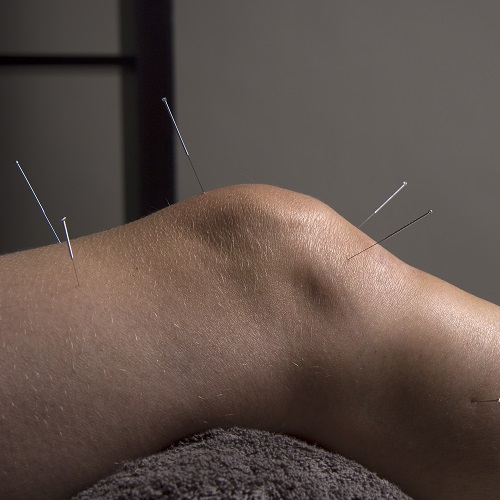
Acupuncture needle in situ

Battlefield Acupuncture

Important to know: Chronic health conditions should be addressed under direct medical supervision of your GP or consultant, and acupuncture would be an adjunct or complement to usual care – we advise that you let you doctor know when you use this approach.

Battlefield acupuncture was developed with the intention to be used in military battlefields as well as in emergency situations, as a protocol for the rapid relief of pain. Consisting of a set of auricular acupuncture points (on the ear), the technique is tailored to the type and location of the pain, making it potentially applicable to many types of pain. 

Case Study and Video for Trauma/PTSD

Acupuncturists (MBAcC) Rachel Peckham and Samina Haider set up an acupuncture NADA group in a Mosque in London in the aftermath of the Grenfell Tower tragedy, using the NADA protocol for trauma application, there is a video about this from the British Acupuncture Council here that may be of interest, and which shows the NADA protocol in action, and patients talking about it and their experiences of it: BAcC auricular (NADA) video Rachel talks about the general uses of this, background and the idea which came from the use of this in the aftermath of 9/11 in America.

Research and Resources on Battlefield Acupuncture:

A scholarly search of the available research papers on the terms “acupuncture” + “battlefield” yields over 3150 papers, and narrowing this to “RCT” to identify Randomised Controlled Trials, gives over 139 results; of which 48% have been carried out since 2017 (Google Scholar). This suggests that acupuncture is being used currently in this area, leading to a small body of research being carried out so far (it is a recent development and area of practise). However the pace of research is increasing with nearly 50% of the research ever done, having happened in the last 4 years, showing promise for future studies and systematic reviews regarding examining its potential role.

Interpreting the research:

When reading health research, it is important to know that Systematic Reviews or Meta Analyses of a large number of high-quality research studies are the very best way to be able to say to what extent a given treatment can address a condition, symptom, or set of symptoms.  The next best level of evidence is the individual Randomised Controlled Study (RCT) which uses a systematic technique to compare two or more groups of patients receiving different treatments (or a treatment against a “control”, or no treatment).  In acupuncture trials, the nature of the control group is of particular interest as it is hard to blind a patient to whether they are having a needle inserted or not, and even more challenging to blind the researcher/team to this.

The means and quality of how research is carried out varies considerably from country to country, and in terms of how an intervention is compared to another intervention (or a control).  Of note is the fact that “sham” acupuncture (where needles are placed in apparently inert locations rather than traditional acupuncture points) is not really an inert process as it has physiological effects, so that comparing sham and “true acupuncture” may therefore not give a clear picture alone; but and form a part of a research body where acupuncture versus no treatment, vs conventional treatment or vs a different approach/modality also form part of the evidence base.

The n= figure (where quoted in research) tells you how many people were participants in the study, and usually the larger a study (when it is of good quality and design), the more likely it is to be reliable and applicable to larger populations. When (statistical) “significance” is discussed in view of studies it has a very particular meaning – it is the confidence in the data (using statistical tests) that tells us how likely a result could have just come about by chance. The lower the possibility of a chance result, the more likely it is due to the intervention in the experiment. When you are reading a trial/study, the “p” is the number telling us of significance, and this must be under 5% (or p less than 0.05) to mean we can say it is a (statistically) “significant” result.

The Research:

A 2017 systematic review of 6 trials (Jan et al, 2017; n=458) found that “ear acupuncture, either as stand-alone or as-an-adjunct technique, significantly reduced pain scores and has potential benefits for use in the ED [emergency department]”, although study numbers were limited at the time more research had since been carried out, so we look forward to more sysyematic reviews as this develops..

This style of acupuncture has been found effective as an adjunct for low back pain in a USA ED setting (Emergency Dept., A&E equivalent, with a statistically significant benefit over usual care alone (Fox et al, 2018; n=30; p=0.04). Tsai et al, (2016) described 4 cases in which emergency physicians with brief training in the protocol treated patients with acute pain when opioid-based painkillers were unsuitable. It has also been examined in the case of chronic neck pain (Guthrie et al, 2016).

Elsewhere, battlefield acupuncture is used the US Department of Defense’s medical facilities for ex-military personnel for trauma related issues including PTSD (Walker et al, 2016);

Recently, a systematic review protocol was put forward (Zhang et al, 2020) for application of battlefield acupuncture protocol to migraine; it will be interesting to see the outcome here.

Regarding Your Individual Condition and Symptoms:

There are many painful conditions for which patients seek out acupuncture to address their symptoms. We have dedicated pages for arthritis, back pain, carpal tunnel, facial (TMJ) pain, shoulder and frozen shoulder, headache, migraine, kidney stones, plantar fasciitis, knee pain, sciatica, neuropathic (nerve) pain, rheumatoid arthritis, tennis and golfer’s elbow, neck pain, and pelvic pain each of which give references and further resources to evidence based factsheets and may be of use.

Whilst the scientific studies are of great interest to researchers and acupuncturists in terms of comparing protocols, for the patient not versed in research they are less accessible, which is why when we asked “can acupuncture work for my (condition or symptom) we are not able to give a simple yes or no response.  We are able to tell you what experience we have had in our decades of experience in practise, of the types of outcomes we have seen in similar cases, and give you an idea of our level of experience and knowledge in that area, and how this could relate to your own individual situation.  For this, we recommend booking a free telephone consultation where we can answer any questions you have and give a realistic appraisal of what acupuncture may be able to provide.

References:

Fox, L.M., Murakami, M., Danesh, H. and Manini, A.F., 2018. Battlefield acupuncture to treat low back pain in the emergency department. The American Journal of Emergency Medicine, 36(6), pp.1045-1048.

Guthrie, R.M. and Chorba, R., 2016. Physical Therapy Treatment Of Chronic Neck Pain A Discussion And Case Study: Using Dry Needling And Battlefield Acupuncture. Journal of special operations medicine: a peer reviewed journal for SOF medical professionals, 16(1), pp.1-5.

Jan, A.L., Aldridge, E.S., Rogers, I.R., Visser, E.J., Bulsara, M.K. and Niemtzow, R.C., 2017. Does ear acupuncture have a role for pain relief in the emergency setting? A systematic review and meta-analysis. Medical acupuncture29(5), pp.276-289.

Niemtzow, R.C., 2007. Battlefield acupuncture. Medical Acupuncture, 19(4), pp.225-228.

Tsai, S.L., Fox, L.M., Murakami, M. and Tsung, J.W., 2016. Auricular acupuncture in emergency department treatment of acute pain. Annals of emergency medicine, 68(5), pp.583-585.

Walker, P.H., Pock, A., Ling, C.G., Kwon, K.N. and Vaughan, M., 2016. Battlefield acupuncture: opening the door for acupuncture in Department of Defense/Veteran’s Administration health care. Nursing outlook, 64(5), pp.491-498.

Zhang, F., Shen, Y., Fu, H., Zhou, H. and Wang, C., 2020. Auricular acupuncture for migraine: a systematic review protocol. Medicine99(5).

Resources:

BAcC Acupuncture for PTSD Factsheet

Helen
0 comment
Acupuncture for pregnancy in Bedford, UK

Pregnancy, Breech baby, and Childbirth – Condition Resources

Important to know: Chronic health conditions should be addressed under direct medical supervision of your GP or consultant, and acupuncture would be an adjunct or complement to usual care – we advise that you let you doctor know when you use this approach.

Acupuncture is a safe and popular choice during pregnancy, our practitioners have worked with very many pregnant women at all stages of pregnancy over the years. It is important that your midwife/obstetrician is happy with this approach, and we have had many direct recommendations to us, from local midwives over the years.

There is an interesting video from the British Acupuncture Council with a patient regarding hyperemesis gravidarum (severe morning sickness) and her use of acupuncture, showing a treatment and discussion with her acupuncturist: you can see it here

The BAcC has a factsheet on the research and use of acupuncture in Obstetrics, as well as one on Childbirth, and on Puerperium (post natal period) 

Acupuncture is safe in pregnancy with a qualified acupuncturist.

Research and Resources on Pregnancy and Acupuncture:

A scholarly search of the available research studies mentioning “acupuncture and pregnancy” reveals over 45,00 papers from journals, of these “RCT” narrows down to 5,280 papers. Of the RCT’s ever published in this area, 38% have been published in the last 4 years (since 2017). A number of systematic reviews have been done for acupuncture in particular issues of pregnancy (see below).  From this abundance of research, we can deduce that acupuncture is employed, traditionally and currently in this area; widely scientifically researched, and that the pace at which the research is being carried is increasing – leading us to understand this is an area that has been deemed worthy of scientific appraisal and consideration.  

Interpreting the research:

When reading health research, it is important to know that Systematic Reviews or Meta Analyses of a large number of high-quality research studies are the very best way to be able to say to what extent a given treatment can address a condition, symptom, or set of symptoms.  The next best level of evidence is the individual Randomised Controlled Study (RCT) which uses a systematic technique to compare two or more groups of patients receiving different treatments (or a treatment against a “control”, or no treatment).  In acupuncture trials, the nature of the control group is of particular interest as it is hard to blind a patient to whether they are having a needle inserted or not, and even more challenging to blind the researcher/team to this.

The means and quality of how research is carried out varies considerably from country to country, and in terms of how an intervention is compared to another intervention (or a control).  Of note is the fact that “sham” acupuncture (where needles are placed in apparently inert locations rather than traditional acupuncture points) is not really an inert process as it has physiological effects, so that comparing sham and “true acupuncture” may therefore not give a clear picture alone; but and form a part of a research body where acupuncture versus no treatment, vs conventional treatment or vs a different approach/modality also form part of the evidence base.

The n= figure (where quoted in research) tells you how many people were participants in the study, and usually the larger a study (when it is of good quality and design), the more likely it is to be reliable and applicable to larger populations. When (statistical) “significance” is discussed in view of studies it has a very particular meaning – it is the confidence in the data (using statistical tests) that tells us how likely a result could have just come about by chance. The lower the possibility of a chance result, the more likely it is due to the intervention in the experiment. When you are reading a trial/study, the “p” is the number telling us of significance, and this must be under 5% (or p less than 0.05) to mean we can say it is a (statistically) “significant” result.

Breech Presentation

A common request and referral from midwives is regarding the use of moxibustion to the point Bl67, which is a traditional indication for the Breech presentation of a baby. There have been over 600 number of scientific papers in this area as seen in a scholarly search, and a number of systematic reviews in a scholarly search, showing this as an area of frequent use, as well as scientific interest. Systematic reviews that have been carried out on this are: Liao et al, (2021); Vas et al, (2009); Li et al, (2009); Van den Berg et al, (2008); Mailan et al (2009); Lee at al, (2010); Zhang et al, (2013). Full references are below, to enable to you find and access the original articles.

The most recent of these systematic reviews, carried out by Taiwanese researchers (Liao et al, 2021) looked at 16 RCT’s and n=2555, appraised the studies in terms of bias risk as well as outcome, excluding studies that were not of sufficient quality, 8 studies from China were included, and the rest from European countries. Overall they found that moxibustion had merit in this field, but that more RCT’s are needed to establish the magnitude of the effect. A systematic review found moxibustion as used in this field to be safe when carried out by a trained professional (Xu et al, 2014;

It is vital that your obstetrician and midwife are aware before you undertake acupuncture (or any complementary therapy) in pregnancy.

Induction of Labour

This is an area for which pregnant women sometimes look to information about acupuncture when they are overdue their expected deliver date, usually because they have heard mention of it from a midwife, or had a personal recommendation for someone they know.

It is vital that your obstetrician and midwife are aware before you undertake acupuncture (or any complementary therapy) in pregnancy.

Studies have been done regarding traditional acupuncture protocols for this, (a scholarly search reveals over 930 articles mentioning “acupuncture” + “labour induction” OR “labor induction”, 30% of these have been carried out since 2017.

A Cochrane systematic review of 22 trials (Smith et al, 2017), concluded that acupuncture showed some benefit in improving cervical maturity, but insufficient evidence as to whether it reduced caesarean rate, meaning more high-quality RCT trials are needed. In a more recent systematic review, Siregar et al (2020, 9 articles, n=1656) reached a similar conclusion.

Hyperemesis Gravidarum (Morning Sickness)

Studies have been done regarding traditional acupuncture protocols for this, (a scholarly search reveals over 2,200 articles mentioning “acupuncture” + “hyperemesis gravidarum”, 207 show as “RCT” and 24% of these have been carried out since 2017.

In 1996, researcher Andrew Vickers had published a review article entitled “Can Acupuncture have Specific Effects on Health? A Systematic Review of Acupuncture Antiemesis Trials” (Vickers, 1996), because the traditional anti-sickness point in acupuncture theory was PC6, he examined 33 trials of the effect of this in nausea caused by pregnancy as well as chemotherapy and post-surgery, with the research pointing to PC6 having an anti nausea effect. Of interest to note is that the car sickness wristbands that have been available to buy in chemists for a couple of decades, are intended to press upon this exact acupuncture /acupressure points, their idea being drawn from traditional acupuncture.

Systematic reviews in this area include Sridharan and Sivaramakrishnan (2020; 20 studies) which saw some benefit for the acupuncture intervention, albeit that the quality of the studies was low and warranted more trials in future; Van den Heuvel et al ‘s systematic review (2015, 29 trials, n=3519) had reached a similar conclusion. Li et al, 2017 (11 studies) also concurred, noting in addition the possible publication bias (i.e. researchers having carried out a successful study may be more likely to publish it/have it accepted for publication than are those whose study shows no effects in some spheres).

EA is a safe and effective form of therapy and was found effective for hyperemesis gravidarum (severe “morning sickness” of pregnancy) (Ezzo et al, 2006). Yan et al recently (2020) put forward a protocol for a systematic review in this area, so this is currently awaited.

Mechanism of action in nausea and vomiting: an animal model: Scallan et al (2016) investigated point PC6 on 81 healthy dogs who had drug-induces nausea and vomiting, finding that use of the point reduces vomiting. Notably in animals the placebo effect is somewhat overcome by a lack of the animal anticipating an acupuncture intervention to be of assistance.

Dyspepsia (Indigestion, Heartburn)

We have a separate page for this condition – Dyspepsia – which is common in pregnancy

Low Back Pain

We have a separate page for this condition – Low Back Pain – which is common in pregnancy

Post Caesarean Pain

We have a separate page for this condition – Post Operative Pain – which is common in pregnancy

Mental Health, Anxiety, Depression

We have separate pages for these conditions – AnxietyDepressionMental HealthStress and a blog about mental health

Gestational Diabetes

The British Acupuncture’s Diabetes Factsheet also covers the research that has been done into Gestational Diabetes.

Regarding Your Individual Condition and Symptoms:

Whilst the scientific studies are of great interest to researchers and acupuncturists in terms of comparing protocols, for the patient not versed in research they are less accessible, which is why when we asked “can acupuncture work for my (condition or symptom) we are not able to give a simple yes or no response.  We are able to tell you what experience we have had in our decades of experience in practise, of the types of outcomes we have seen in similar cases, and give you an idea of our level of experience and knowledge in that area, and how this could relate to your own individual situation.  For this, we recommend booking a free telephone consultation where we can answer any questions you have and give a realistic appraisal of what acupuncture may be able to provide.

See our Fertility and Pregnancy page for full details on the studies and mechanisms of the above.

Resources:

The British Acupuncture Council has several relevant evidence based factsheets about Women’s Health, including specific research, trials and mechanisms of action for acupuncture in these conditions.

BAcC Childbirth and acupuncture factsheet

BAcC Obstetrics (pregnancy and childbirth) and acupuncture factsheet

BAcC Puerperium (postnatal / postpartum) acupuncture factsheet

Our own page on Fertility, Pregnancy and Acupuncture

The British Acupuncture Council also has a review paper on Gynaecology and acupuncture: The evidence for effectiveness

Bibliography:

Ezzo, J., Streitberger, K. and Schneider, A., 2006. Cochrane systematic reviews examine P6 acupuncture-point stimulation for nausea and vomiting. Journal of Alternative & Complementary Medicine12(5), pp.489-495.

Khorram, N.M.; S. Horton, V. Sahakian The Effect of Acupuncture on Outcome of in Vitro Fertilization Fertility and Sterility, Vol. 84, S364 Published in issue: September 2005

Li, Xun, Jun Hu, Xiaoyi Wang, Huirui Zhang, and Jianping Liu. Moxibustion and other acupuncture point stimulation methods to treat breech presentation: a systematic review of clinical trials. Chin Med 2009;4:4.

LI, Y., WANG, Y., LI, C. and ZHANG, Z., 2017. A Systematic Review and Meta-analysis of Domestic Acupuncture for Treatment of Hyperemesis Gravidarum. Journal of Liaoning University of Traditional Chinese Medicine, p.09.

Lee, M.S., Kang, J.W. and Ernst, E., 2010. Does moxibustion work? An overview of systematic reviews. BMC Research Notes3(1), pp.1-5.

Liao, J.A., Shao, S.C., Chang, C.T., Chai, P.Y.C., Owang, K.L., Huang, T.H., Yang, C.H., Lee, T.J. and Chen, Y.C., 2021, June. Correction of Breech Presentation with Moxibustion and Acupuncture: A Systematic Review and Meta-Analysis. In Healthcare (Vol. 9, No. 6, p. 619). Multidisciplinary Digital Publishing Institute.

Lim, Chi Eung Danforn; Jenny Wilkinson, WS Felix Wong, Nga Chong Lisa Cheng Effect of Acupuncture on Induction of Labor Journal of alternative and complementary medicine (New York, N.Y.)  11/2009; 15(11):1209-14.

Mailan, L.I.U., Lei, L.A.N., Yong, T.A.N.G. and Fanrong, L.I.A.N.G., 2009. Acupuncture and moxibustion for breech presentation: a systematic review. Chinese Journal of Evidence-Based Medicine9(8), pp.840-843.

Manber, Rachel PhD; Schnyer, Rosa N. DAOM, LAc; Lyell, Deirdre MD; Chambers, Andrea S. PhD; Caughey, Aaron B. MD, PhD; Druzin, Maurice MD; Carlyle, Erin MS; Celio, Christine MS; Gress, Jenna L. BA; Huang, Mary I. MS; Kalista, Tasha MA; Martin-Okada, Robin BS; Allen, John J. B. PhD Acupuncture for depression during pregnancy: a randomized controlled trial. ObstetGynecol 2010;115:511-20

Mozurkewich, E.L., Chilimigras, J.L., Berman, D.R., Perni, U.C., Romero, V.C., King, V.J. and Keeton, K.L., 2011. Methods of induction of labour: a systematic review. BMC pregnancy and childbirth11(1), pp.1-19.

Scallan, E.M. and Simon, B.T., 2016. The effects of acupuncture point Pericardium 6 on hydromorphone-induced nausea and vomiting in healthy dogs. Veterinary anaesthesia and analgesia43(5), pp.495-501.

Siregar, E., Herawati, L., Runjati, R. and Erisna, M., 2020. The Effects of Acupressure and Acupuncture as Natural Induction Methods for Spontaneous Labor: A Systematic Review. International Journal of Nursing and Health Services (IJNHS)3(6), pp.743-753.

Smith, C; Crowther, C and Beilby, J (2002) Acupuncture To Treat Nausea and Vomiting in Early Pregnancy: A Randomized Controlled Trial Birth Volume 29 Issue 1, Pages 1-9

Smith, C.A., Armour, M. and Dahlen, H.G., 2017. Acupuncture or acupressure for induction of labour. Cochrane Database of Systematic Reviews, (10).

Sridharan, K. and Sivaramakrishnan, G., 2020. Interventions for treating hyperemesis gravidarum: a network meta-analysis of randomized clinical trials. The Journal of Maternal-Fetal & Neonatal Medicine33(8), pp.1405-1411.

van den Berg I, Bosch JL, Jacobs B, Bouman I, Duvekot JJ, Hunink MG. Effectiveness of acupuncture-type interventions versus expectant management to correct breech presentation: a systematic review. Complement Ther Med 2008;16:92-100.) 

Van den Heuvel, E., Goossens, M., Vanderhaegen, H., Sun, H.X. and Buntinx, F., 2015. Effect of acustimulation on nausea and vomiting and on hyperemesis in pregnancy: a systematic review of Western and Chinese literature. BMC complementary and alternative medicine16(1), pp.1-18.

Vas J, Aranda JM, Nishishinya B, Mendez C, Martin MA, Pons J, Liu JP, Wang CY, Perea-Milla E. Correction of nonvertex presentation with moxibustion: a systematic review and metaanalysis. Am J Obstet Gynecol.2009 Sep;201(3):241-59.

Vickers, A.J., 1996. Can acupuncture have specific effects on health? A systematic review of acupuncture antiemesis trials. Journal of the Royal Society of Medicine89(6), pp.303-311.

Xu, Jin; MacKenzie, Ian Z.The current use of acupuncture during pregnancy and childbirth Current Opinion in Obstetrics &Gynecology. 24(2):65-71, March 2012. 

Xu, J., Deng, H. and Shen, X., 2014. Safety of moxibustion: a systematic review of case reports. Evidence-Based Complementary and Alternative Medicine2014.

Yan, R., Zhan, J., Liu, G., Li, C., Cai, P., Chen, Y. and Cao, H., 2020. A comparison of the efficacy and safety of traditional Chinese medicine external treatment for the hyperemesis gravidarum: A protocol for systematic review and network meta-analysis. Medicine99(45).

Zhang, Q.H., Yue, J.H., Liu, M., Sun, Z.R., Sun, Q., Han, C. and Wang, D., 2013. Moxibustion for the correction of nonvertex presentation: a systematic review and meta-analysis of randomized controlled trials. Evidence-Based Complementary and Alternative Medicine2013.

Helen
0 comment